
Local businesses
Best service in city is the most common recommendation query put to an AI assistant. Being absent from that answer is the most expensive gap on this list, because the buyer had clear intent and you were never in the conversation.
Your buyers are asking ChatGPT, Perplexity and Google AI who to hire. Right now, it is naming someone else. We change that, and your search rankings rise as a by-product.
“Who are the best providers in my area?”
Answer
Illustrative. Run the query on your own category and count how many times your name comes back.
In short
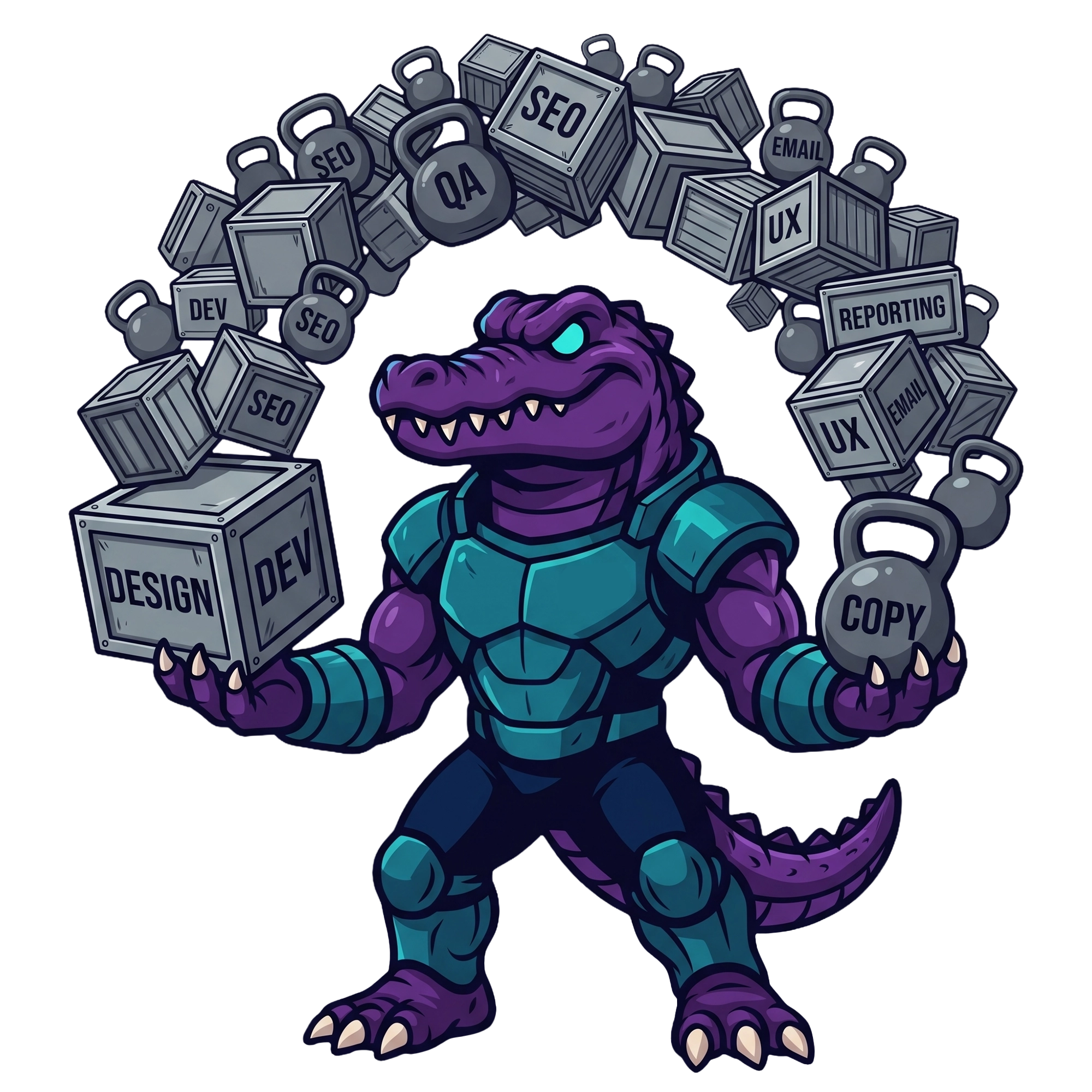
Answer engine optimization (AEO) is the practice of making a business the source AI assistants cite when someone asks for a recommendation. Traditional SEO competes for a position on a results page. AEO competes to be named inside the answer itself. It works by structuring content, entity signals and technical markup so large language models can extract, verify and quote a business with confidence.
You do not have to take our word for anything on this page. Thirty seconds and your own phone will tell you whether you have a problem.
The businesses that came back are not necessarily better than you. They are more legible to the model. That is a solvable problem, and solving it is the entire job.
Every one of those answers is a buying decision made before anyone visits a website, runs a search, or picks up the phone for a quote. If your name is not in the answer, you were never in the running.
Book My AI Visibility Call
Answer engines are not picking favourites. They are picking whichever business gives them the clearest, most verifiable, most extractable information. Six signals decide it, and all six are things we can change.
None of them are secrets. They are simply work that almost nobody has done yet in your category, which is exactly why the window is open right now.
See Where You Stand
The model has to know exactly what you are before it can recommend you. A business described as a services company is invisible. A commercial roofing contractor serving Greater Manchester is citable. Precision is the difference between being retrievable and being noise.
Language models lift clean question and answer structures. Information buried inside flowing prose gets skipped, however well written it is. We restructure content so the answer to each buyer question sits in a block a model can pull whole.
Schema markup hands a machine a verified fact instead of asking it to infer one. Services, locations, credentials, opening hours, FAQs. Each becomes something the model quotes with confidence rather than a guess it avoids making.
Models weigh whether the same claim appears in more than one place. A claim that exists only on your own website is a weak claim. Consistent presence across directories, industry sources and third-party mentions turns positioning into verified fact.
Answer engines favour information confirmed recently. A page accurate two years ago carries less weight than one confirmed last month. This is why AEO is an ongoing engagement. Visibility decays when nobody maintains it.
If your content renders entirely in the browser, sits behind a gate, or loads slowly enough that crawlers time out, the systems feeding these models never see it. We fix the floor first. There is no point optimizing content a machine cannot reach.
They are not rivals and you do not choose between them. The work overlaps heavily, which is why clients see search rankings improve while we optimize for AI. The difference is what you are competing for.
Traditional search
You fight for one of ten positions, then fight again for the click, then fight again to convince someone still comparing you against nine alternatives.
Answer engines
Three names get spoken. If yours is one of them, the trust step is done before anyone has visited your website.
| Dimension | SEO | AEO |
|---|---|---|
| What you compete for | A position in a list of ten links | Being named inside the answer given |
| How many winners | Ten on page one, plus ads | Usually three, sometimes one |
| What the buyer sees | Options they evaluate themselves | A recommendation already made |
| Primary levers | Keywords, links, content depth, speed | Entity, schema, extractability, corroboration |
| How trust transfers | The buyer decides whether to trust you | The assistant has already vouched for you |
What you compete for
SEO
A position in a list of ten links
AEO
Being named inside the answer given
How many winners
SEO
Ten on page one, plus ads
AEO
Usually three, sometimes one
What the buyer sees
SEO
Options they evaluate themselves
AEO
A recommendation already made
Primary levers
SEO
Keywords, links, content depth, speed
AEO
Entity, schema, extractability, corroboration
How trust transfers
SEO
The buyer decides whether to trust you
AEO
The assistant has already vouched for you
Not citations for the sake of citations. The point is what lands in your calendar and your inbox.

Someone handed your name by an AI assistant arrives already recommended. They are not comparing you against nine open tabs. The trust step happened before first contact, which shortens the conversation and raises the close rate on it.
Paid traffic stops the day you stop paying. Visibility inside AI answers compounds. The work commissioned this quarter keeps producing next year, and it gets harder to displace the longer it runs.
The work that makes you legible to an answer engine is the same work that makes you legible to Google. You commission answer engine optimization and your organic search performance improves alongside it.
Bookings, signups, enquiry forms, phone calls. Visibility that does not convert is overhead, so conversion is designed into the work from the first draft. We optimize the page receiving the visitor, not just the answer sending them.
This is not a package. It is an engagement, and it is run like one.
Every business sits in a different market with a different technical starting point and a different set of buyer questions. We scope around yours. There is no package we drop your logo into.
Every page, every piece of content, every structural change is reviewed by you before it publishes. No exceptions, and it is not a premium option.
You hear from your account manager every week, not when a report is due. Monthly reporting covers AI visibility movement, search performance, what shipped and what comes next.
Core algorithm updates, new AI surfaces, changes to how assistants source and cite, and the regulation following all of it. We adjust before it costs you visibility.
The inbound engine does not stop producing when a project closes, because the engagement does not work that way. Visibility decays when nobody maintains it, so maintaining it is the work.
Your account manager and delivery team stay with your business. You will not re-explain your market to someone new every quarter.
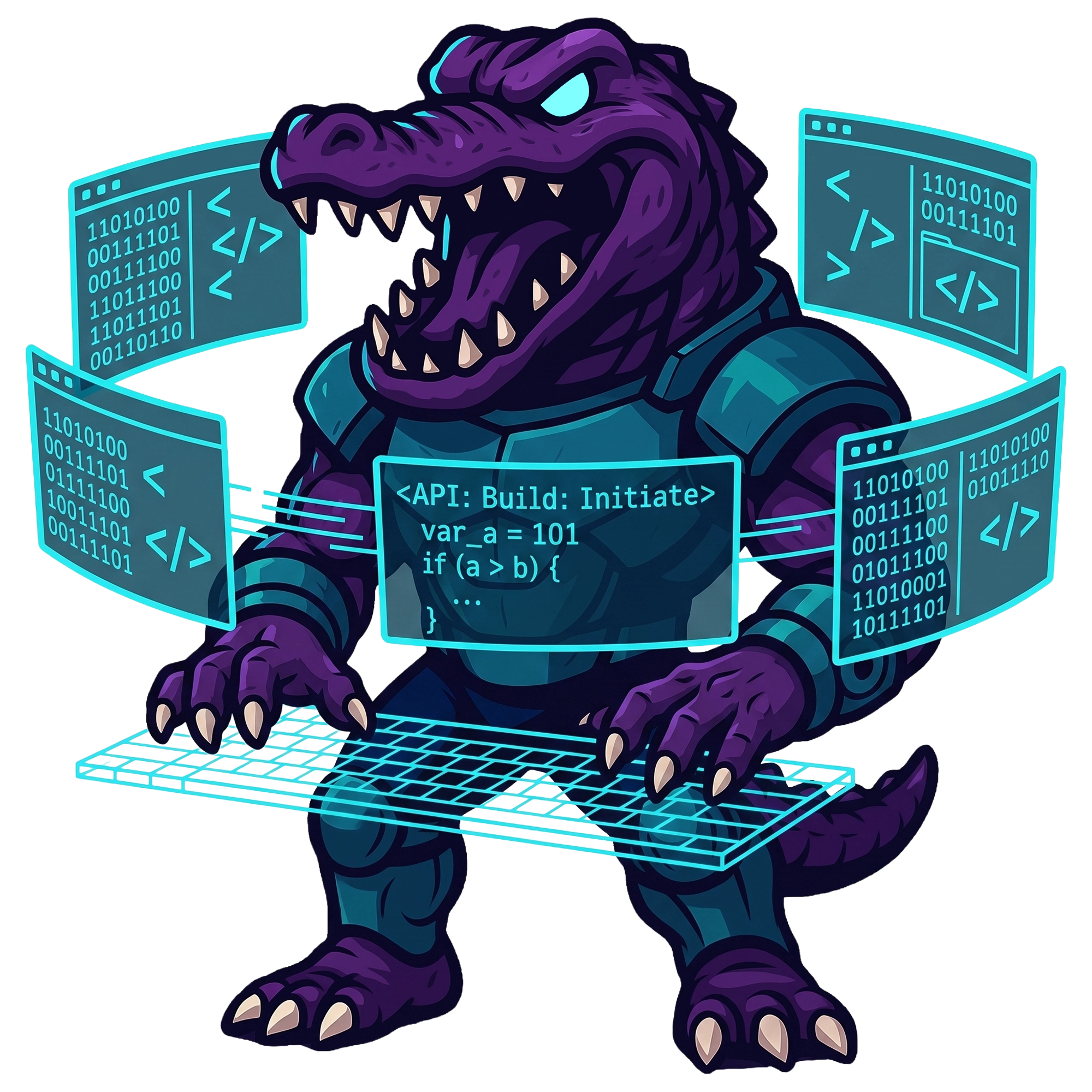
The mix is decided on your first two calls, because a franchise with forty locations and a single-site business need very different things. What follows is the toolkit, not a checklist we run identically for everyone.
Anyone promising results in week one is selling you something else. Here is the real shape of it, and why we build it this way.
Month 2: first movement in citations
Months 4 to 5: commercial results
Illustrative shape of a typical engagement, not client data. Your curve depends on your starting technical health, your category, and how competitive AI answers already are in your market.
Months 1 to 2
Technical floor fixed, entity and schema architecture built, first content structured and approved. Impressions and early AI citations begin to move around month two, once the work has been crawled and re-indexed.
Months 3 to 4
Content depth expands across the questions your buyers ask. Third-party corroboration builds. Your name starts appearing in answers where previously only competitors were named.
Months 4 to 5
Enquiries, bookings and calls you can trace back. This is the point at which the investment starts paying for itself, and it is the honest answer to how long it takes.
We could publish a hundred pages next month and spike your numbers. Sites that climb unnaturally fast fall the same way, and recovering from that costs more than doing it properly the first time. We build steady, defensible growth that looks exactly like what it is: a business doing consistent, credible work on its visibility.
No proposal that lands three weeks later. No being sold by one team and handed to another.
Call one
About 30 minutes
Call two
About 45 minutes
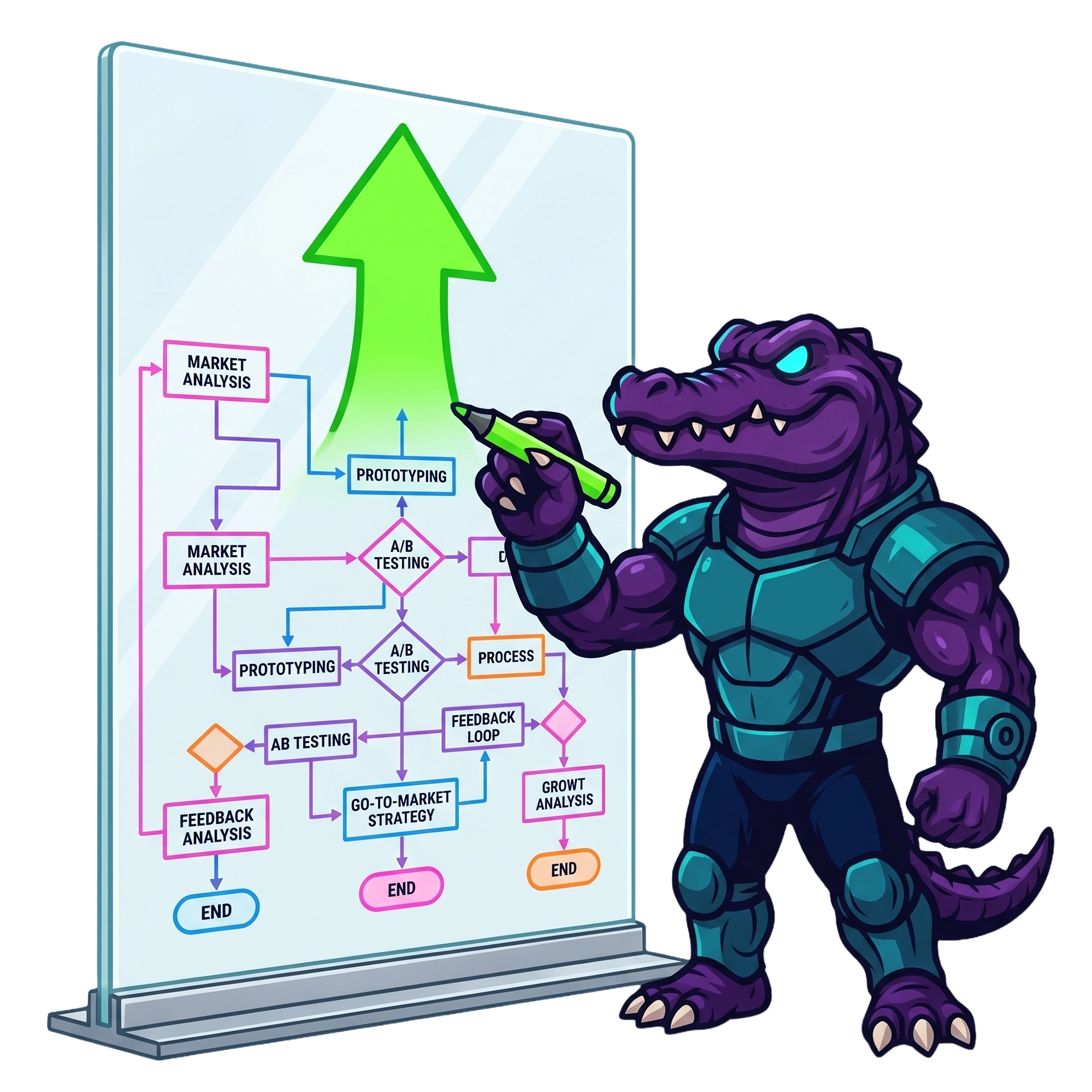
You will not be sold by one team and handed to another. The people on call two are the people doing the work.
Book My AI Visibility CallThe technical foundations are the same. The strategy, the query set and the content are not, which is why every engagement gets scoped from scratch.
Best service in city is the most common recommendation query put to an AI assistant. Being absent from that answer is the most expensive gap on this list, because the buyer had clear intent and you were never in the conversation.

Every location is a separate answer to a separate question. Multi-location visibility built at scale, so a buyer in one city gets the same coherent story as a buyer in another and the brand does not fragment.

AI shopping queries are product led, so the levers differ: product markup, review depth and recency, comparison content, feed hygiene, product data specificity. We scope this honestly rather than selling a service page strategy that will not move product.

SaaS, consultancies and online service businesses whose buyers research an entire category through AI before visiting a single website. If the shortlist is built before anyone reaches your homepage, your homepage is not where the decision happens.

Deliver answer engine optimization to your clients under your own brand. Our team, your logo, your margins, your client relationship. Reporting you can rebrand and hand over without editing.
Not a fit for how we work, and not a market we build in. We would rather tell you that on the first call than take the engagement and under-serve it.
Medical, financial and legal advice sit in what Google classifies as Your Money or Your Life. These topics are held to an evidence standard requiring genuine, verifiable professional credentials. An agency cannot manufacture those signals, and anyone telling you otherwise is selling you a risk rather than a result.
Saying no to the wrong work is how we protect the results of the right work.
Answer engine optimization is about the signals your site emits, not the software emitting them. We work across the full range of platforms, and where a platform genuinely limits what is possible we tell you before you commit rather than after.
Answer engine optimization wins the buyers already looking. It does nothing for the buyers who would hire you but have not started looking. Two different problems, two different machines.
Inbound
Someone in your market is asking an AI assistant who to hire, today. Answer engine optimization makes sure the answer includes you.
Outbound
The buyer who would say yes but has not started searching. Reaching them is a different job, and it is the other half of what we do through managed outbound.
Running both is how a business stops depending on whichever channel happens to be working that quarter. You do not have to start with both. Most clients start here, because proving the inbound side is faster and cheaper than proving the outbound side.
Talk Through Both on a Call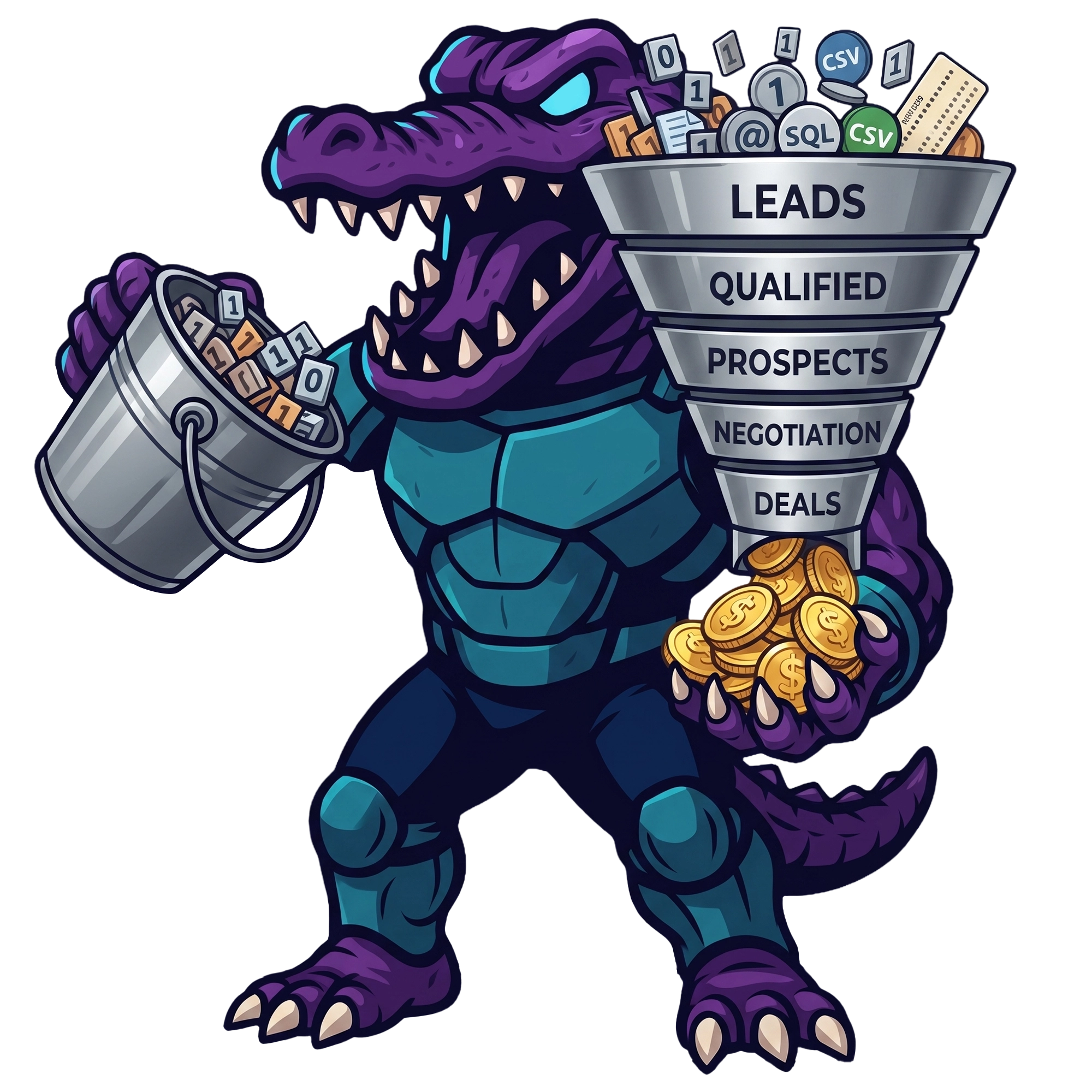
The questions we get asked on nearly every first call.
Answer engine optimization is the practice of making a business the source that AI assistants cite when someone asks them for a recommendation. When a buyer asks ChatGPT, Perplexity, Google AI Mode or Copilot who the best provider in a category is, the assistant returns a small number of named businesses. AEO is the work that gets your business into that answer. It covers entity clarity, so the model knows precisely what you are, structured data, so it can verify facts rather than guess them, content structured for extraction, so it can lift a clean answer, and corroboration across third-party sources, so your claims are confirmed somewhere other than your own website.
AEO and SEO compete for different things. SEO competes for a position in a list of ten links, where the buyer still evaluates the options themselves. AEO competes to be named inside the single answer the assistant gives, where the recommendation has already been made on your behalf. The practical difference is the number of winners: page one has ten slots plus ads, whereas an AI answer usually names three businesses and sometimes one. The underlying work overlaps heavily, because technical health, content quality and genuine authority matter to both. That overlap is why our clients see organic search performance improve while we are optimizing for AI.
Answer engine optimization does not produce results in week one, and anyone promising that is selling you something else. Expect early movement in impressions and AI citations from around month two, once the structural and technical work is in place and has been re-crawled. Meaningful commercial results, meaning enquiries and bookings you can trace back to the work, typically arrive between month four and month five. We build steady, defensible growth rather than a spike. Sites that climb unnaturally fast fall the same way, and recovering from that costs considerably more than doing it properly the first time.
You get both. The foundations of answer engine optimization are the same foundations good SEO rests on: a technically healthy site, clean information architecture, content that genuinely answers what people ask, structured data, and authority earned rather than bought. We do that work in order to win AI citations, and your organic search rankings improve as a consequence. That is the honest framing. We are not selling you AEO and quietly doing SEO, and we are not selling you SEO with an AI label on it. We optimize for the answer, and the ranking follows because the same signals drive both.
Getting cited by ChatGPT and Perplexity comes down to being the easiest business for a model to describe accurately and confidently. That means defining your entity precisely, so the model knows exactly what category you belong to and where you operate. It means structuring content so answers can be extracted whole rather than inferred from prose. It means marking up verifiable facts in schema so the model quotes data rather than guessing. It means building corroboration, because a claim appearing only on your own site carries less weight than one confirmed across independent sources. And it means maintaining all of it, because answer engines favour information they have confirmed recently.
AI visibility is measured by tracking how often your business is mentioned and cited in AI-generated answers across the queries that matter to your market, and how that compares with your named competitors. We track mention volume, citation volume, share of voice against competitors, and which of your pages are being used as sources. Alongside that we track AI referral traffic as a distinct channel, separating visitors arriving from ChatGPT, Perplexity, Claude, Gemini and Copilot from ordinary organic search. Most businesses are not tracking that split at all, which is why they cannot tell whether AI is sending them anything.
Answer engine optimization works on any platform, because it depends on the signals your website emits rather than the software emitting them. We work across WordPress, Shopify, Webflow, Wix, Squarespace, HubSpot, Next.js, Magento, BigCommerce, Drupal and fully custom builds. Some platforms make certain work faster than others, and a small number impose genuine limits on what can be implemented. Where that applies to you, we say so on the first call rather than after you have committed. If a platform limitation is going to cap your results, you should know before you spend anything.
Answer engine optimization is scoped per business, so there is no single published price. The variables that move the number are how many locations or product lines need visibility, the current technical state of your website, how competitive your category already is inside AI answers, and how much original content the work requires. A single-site local business and a forty-location franchise are genuinely different pieces of work, and pricing them identically would be dishonest to one of them. You get a scoped figure on the first call, before any commitment, and we will tell you plainly if the investment does not make commercial sense.
The first call is with our sales team and runs about thirty minutes. We learn your business, your market and what a customer is worth to you, we look at where you currently stand in AI answers for your category, and we confirm whether this is the right investment. You leave that call with a scoped figure. The second call is with your account manager and the delivery team, and runs about forty-five minutes. They bring visibility findings specific to your business, the competitors currently being named instead of you, business recommendations including anything we spot outside AEO, and the plan for what we tackle first. The people on the second call are the people who do the work.
No. Every page, every piece of content and every structural change is reviewed and approved by you before it goes live. There are no exceptions and it is not a premium option. You are the expert on your business, your market and your customers, and the work is measurably better when that knowledge is in the room rather than being guessed at. This is what we mean by done for you and done with you at the same time. We handle strategy, technical execution and production. You keep final say over everything carrying your name.
We do not work with gambling, casinos or 18+ businesses. We also decline YMYL categories, meaning medical, financial and legal advice. Google classifies those as Your Money or Your Life topics and holds them to an evidence standard requiring genuine, verifiable professional credentials attached to the content itself. An agency cannot manufacture those signals, and any agency claiming it can is selling you a risk rather than a result. We would rather turn the work down than take it and under-deliver.
Yes. We deliver white label answer engine optimization for agencies who want to offer AI visibility to their clients without building the capability in house. Our team does the work, your brand fronts it, and you own the client relationship and the margin. Reporting is produced so you can rebrand and forward it without editing. This suits agencies who already hold the client trust and the retainer but do not have an AEO specialist on the team, and it scales without hiring for a discipline that is still changing month to month.
Still have a question we have not answered here?
Ask Us on a CallThirty minutes. We look at where you currently stand in AI answers, what your competitors are being cited for, and whether answer engine optimization is worth the investment for your business. If it is not, we will say so.

Calendar not loading? Open the booking page in a new tab